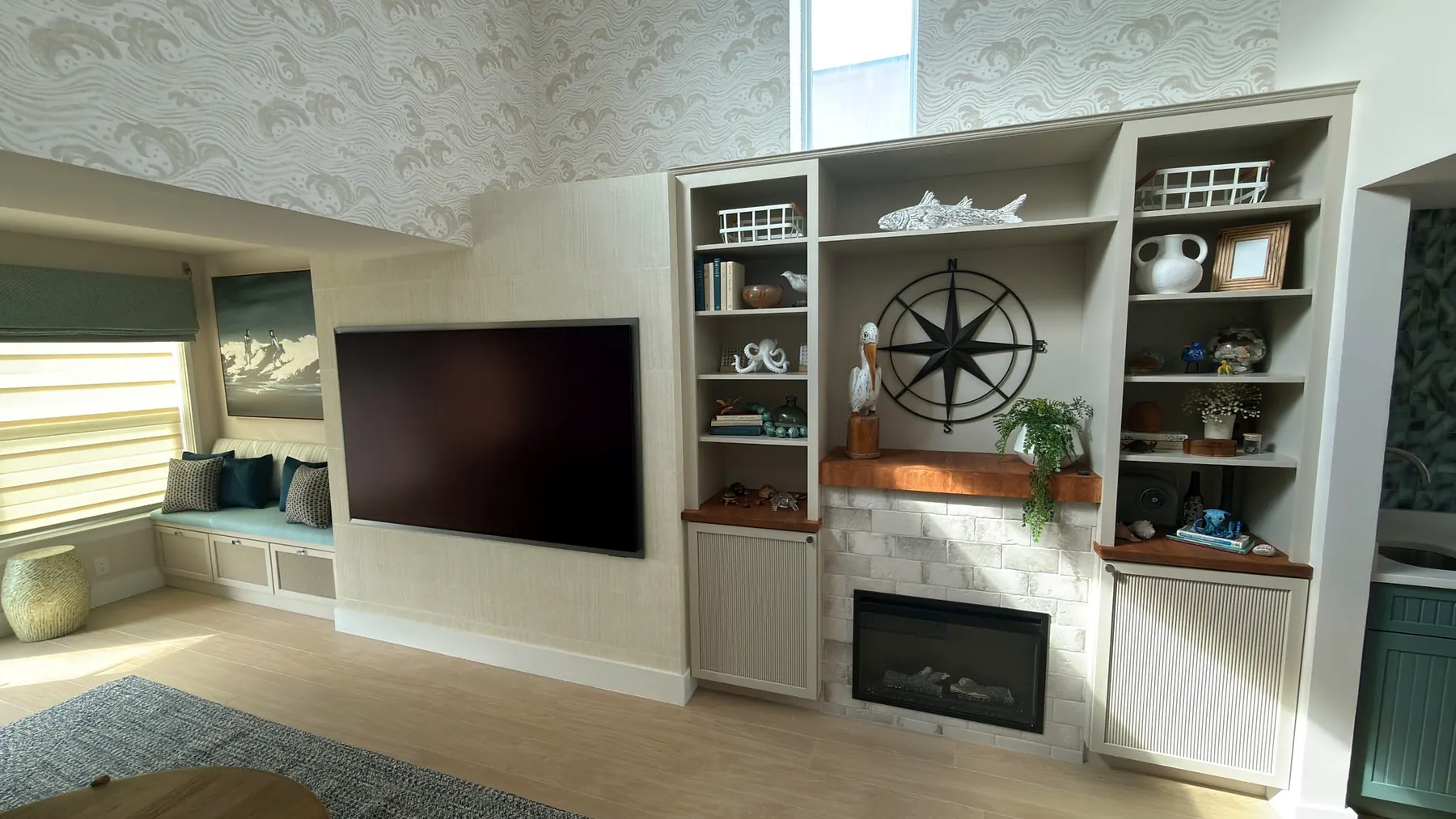
An honest comparison of custom built-ins and store-bought furniture: cost, storage, how they age, resale appeal, and when built-ins are not the right choice.
Custom built-ins cost more than buying a bookcase or a media console. So are they worth it? For the right room, yes. For some rooms, a good piece of furniture is the smarter choice. This guide compares the two honestly so you can decide.
What counts as a built-in
A built-in is cabinetry or shelving fitted to a specific wall and attached to the house: bookcases around a fireplace, a media wall with cabinets, a window seat, a mudroom bench, closet systems, an office wall with a desk. Because it is built to the exact size of the space, it fills corners and alcoves that furniture leaves empty.
Built-ins vs furniture: side by side
| Factor | Custom built-ins | Store-bought furniture |
|---|---|---|
| Fit | Exact size of the wall, floor to ceiling | Standard sizes, gaps at sides and top |
| Storage | Uses every inch, including awkward spaces | Limited to the piece |
| Upfront cost | Higher | Lower |
| Stability | Anchored to the wall, no tipping | Needs anti-tip straps |
| Flexibility | Stays with the house | Moves with you |
| Look | Architectural, matches trim and finishes | Depends on the piece |
When built-ins are worth it
- You plan to stay several years. You will enjoy the storage and the look long enough to justify the cost.
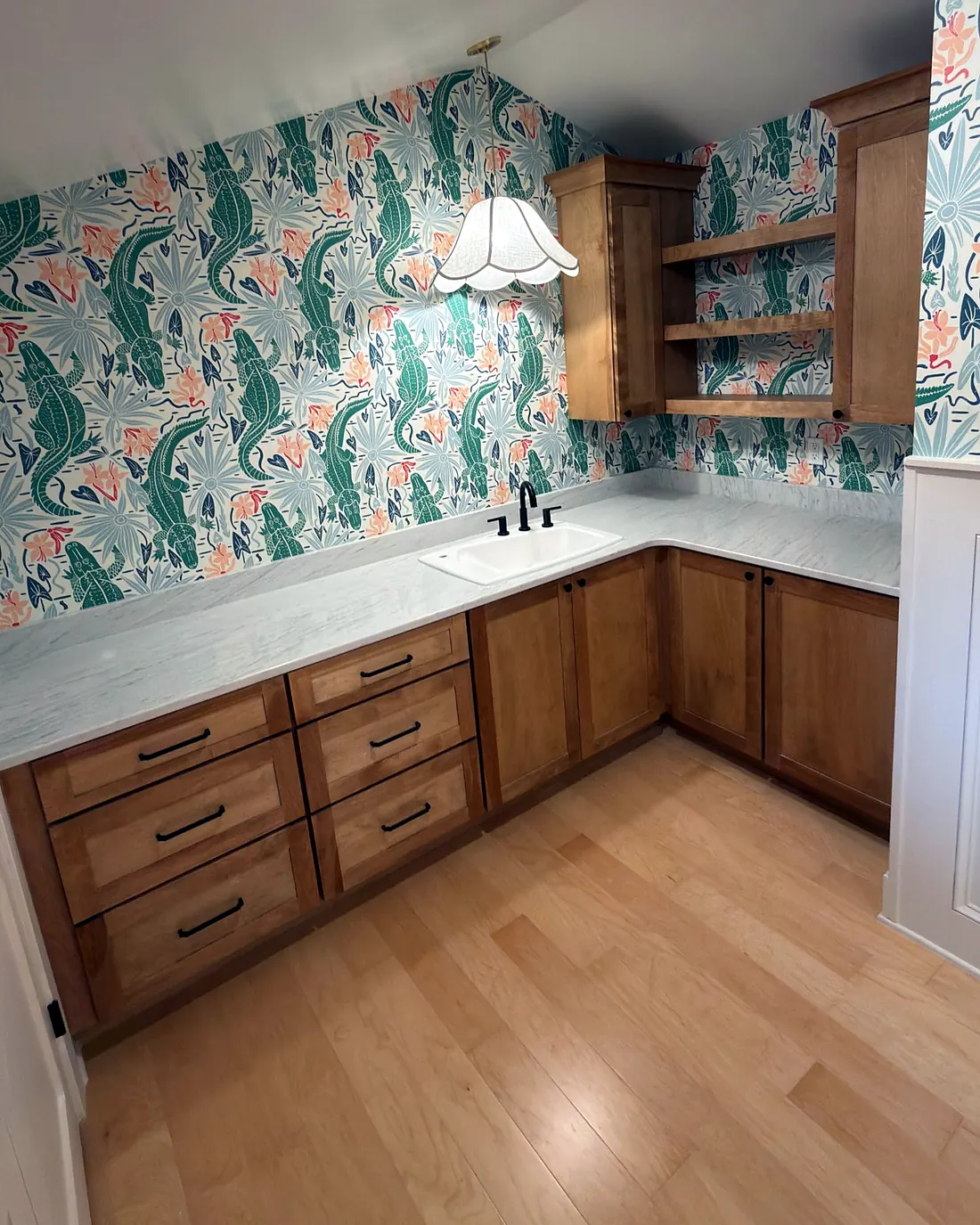
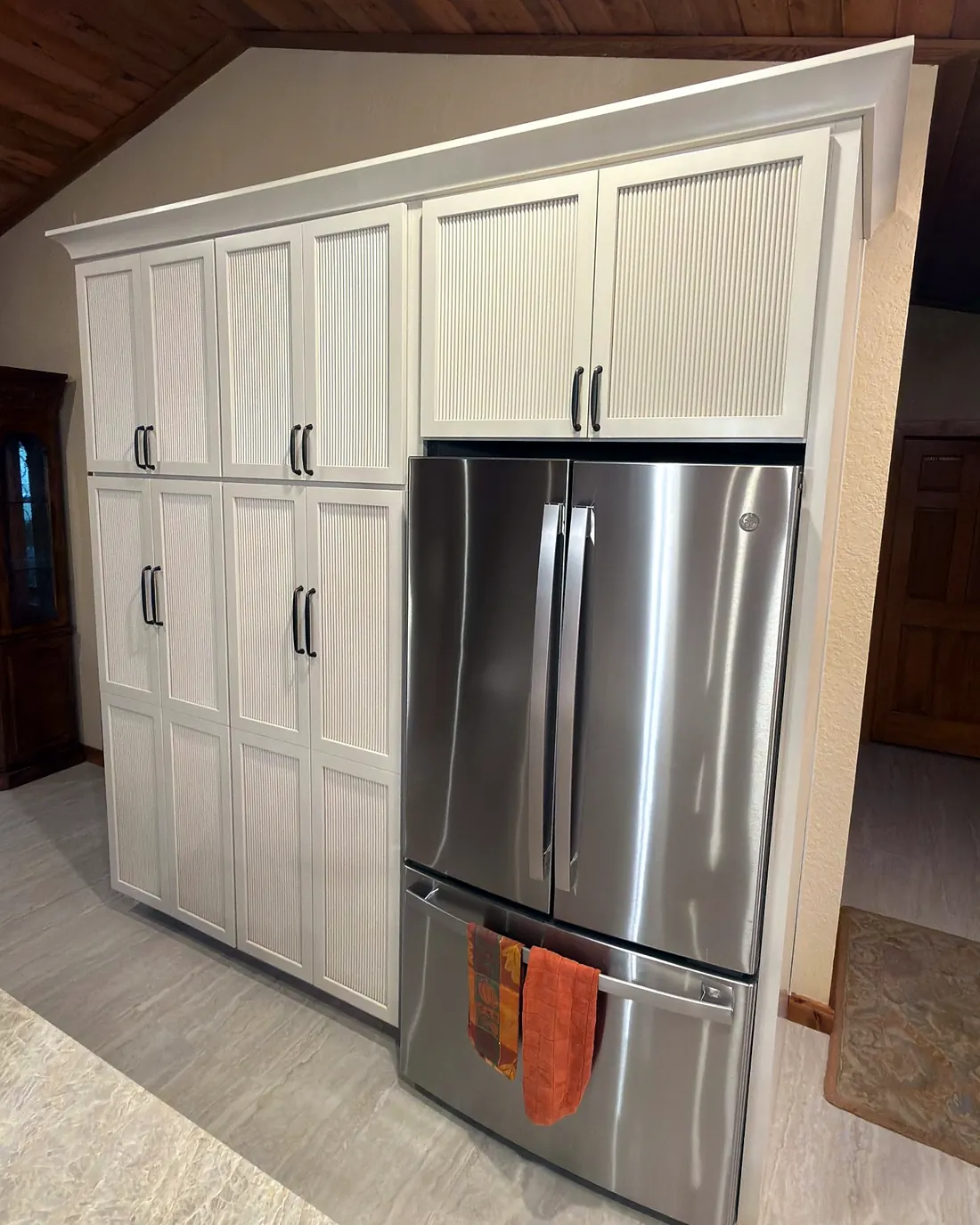
- The space is awkward. Alcoves, sloped ceilings, corners and spaces around windows are where furniture fails and built-ins shine.
- You need real storage. A wall of cabinets holds far more than freestanding pieces in the same footprint.
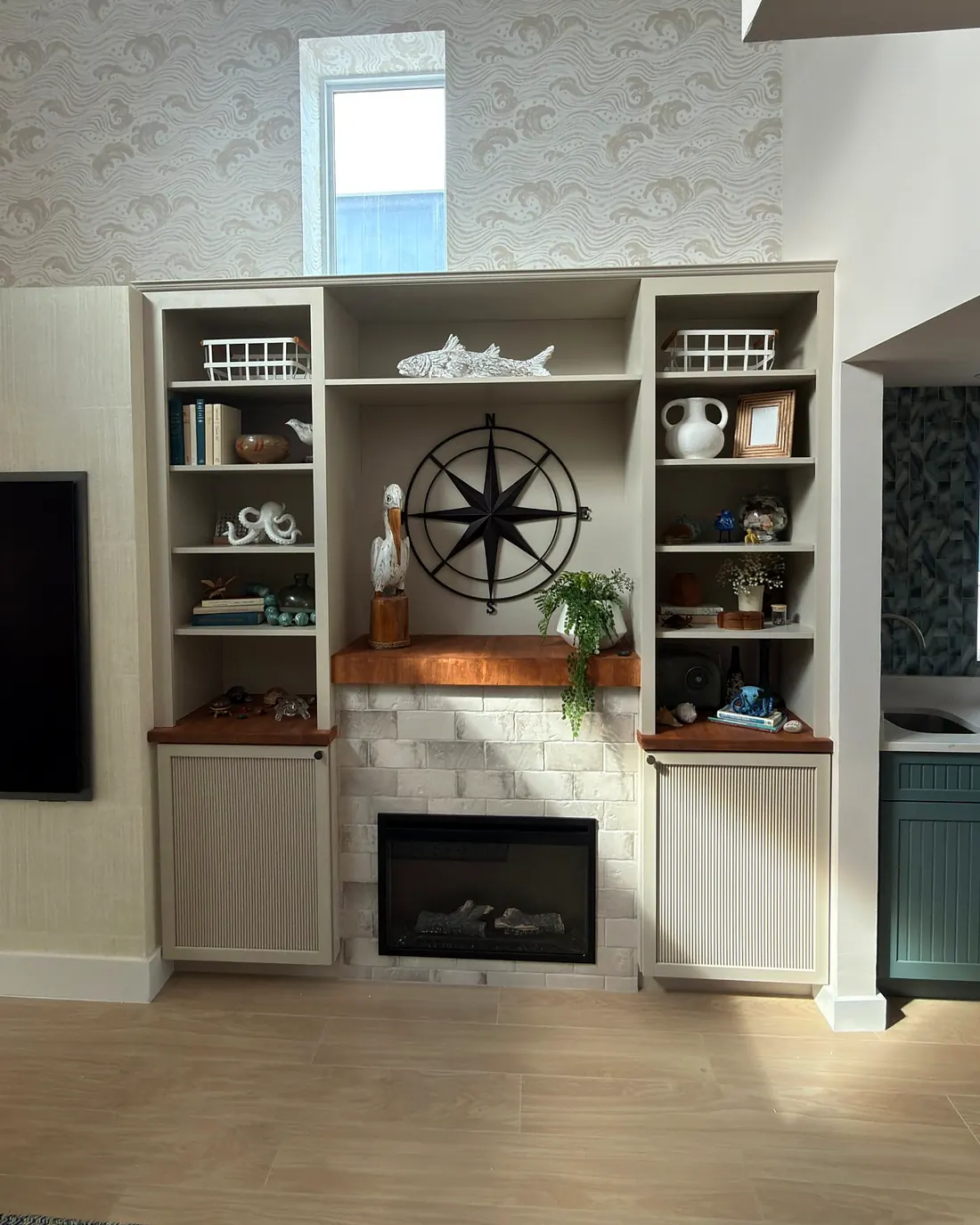
- The room needs a focal point. Most Florida living rooms have no fireplace or architectural feature; a built-in creates one.
- Safety matters. Anchored built-ins cannot tip over, which matters with young children.
When furniture is the better choice
- You are moving within a year or two, or you rent.
- You change layouts often and like rearranging rooms.
- The budget is tight and the space is a standard flat wall where a good bookcase fits well.
Do built-ins add resale value?
Built-ins make rooms more appealing in listing photos and showings, especially storage-focused ones like closets, pantries, mudrooms and home offices. They are not a guaranteed dollar-for-dollar return. The safest choices for resale are timeless designs and neutral finishes that most buyers would also like. Very personal designs, like a bar in an unusual color, appeal to fewer buyers.
Paint-grade or stain-grade?
Painted built-ins are usually more affordable and blend with walls and trim. Stained wood built-ins add warmth but cost more because every joint and grain line shows. Many homes mix the two: painted cabinets with a stained wood top or mantel. Read our full comparison of paint-grade and stain-grade built-ins.
Ways to make built-ins more affordable
- Build one wall well instead of several walls halfway.
- Mix open shelves with closed cabinets; open shelves cost less.
- Choose standard hardware and paint-grade materials.
- Keep the design simple: clean shaker or flat doors instead of complex profiles.
Tip: List what you want to store before the design starts: books, games, electronics, shoes, pantry goods. Built-ins designed around real items work much better than ones designed only for looks.
Where built-ins add the most value
Living room and family room
Bookcases around a fireplace or TV are the classic built-in. They create a focal point and hide clutter like remotes, games and cables behind doors. See our media wall ideas for combinations with the TV.
Home office
A built-in desk with shelves and cabinets turns a spare bedroom or a corner into a real workspace. Built-ins also hide printers and paper that make a home office look messy on video calls.
Mudroom and entry
A bench with hooks, cubbies and closed storage gives shoes, backpacks and keys a home by the door. In busy family homes this is often the built-in people use most.
Closets and pantries
These are the most practical built-ins and among the most appreciated by buyers. A custom closet can hold far more than a basic rod and shelf. Read our closet design guide and pantry design guide for dimensions and layouts.
Laundry room and garage
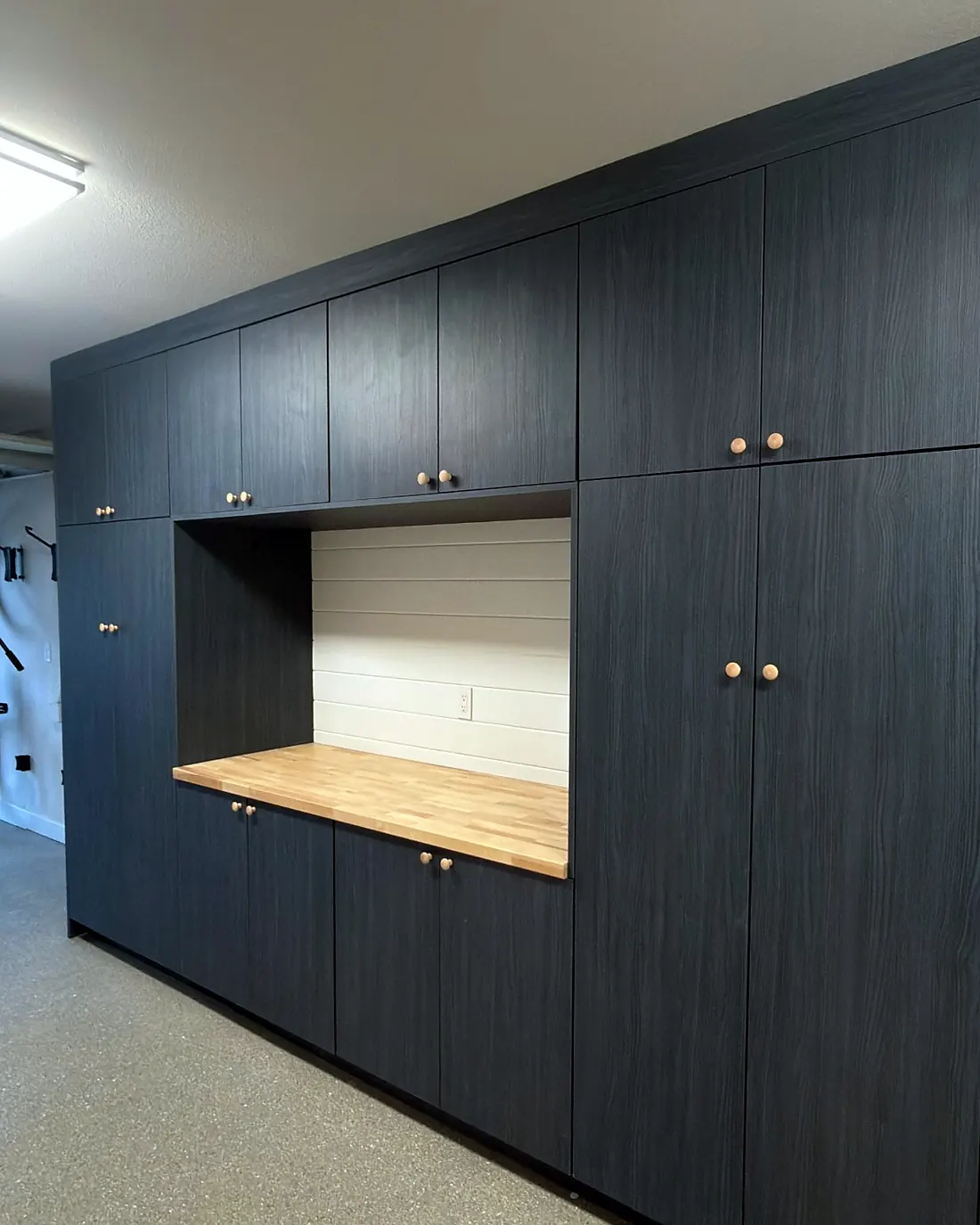
Cabinets above the washer and dryer, a folding counter and tall storage for cleaning supplies make a laundry room work. Garage cabinet walls keep tools and sports gear off the floor.
What makes a built-in look custom, not added on
- It runs to the ceiling or ends with crown molding, so there is no dusty gap on top.
- It is scribed to the walls, so the edges follow the wall even when the wall is not straight.
- The trim matches the house, with base and crown tied into the existing profiles.
- Proportions are planned: shelf heights, door widths and the TV opening relate to each other.
- The finish is consistent with the rest of the room's paint or wood tones.
Questions to ask before you hire
- Will I see a drawing or rendering before work starts?
- What materials are the boxes, shelves and doors made of?
- How is the piece attached to the wall?
- Who does the painting or finishing, and how?
- Is the price fixed and what is included?
- How are changes handled?
The bottom line
If you plan to stay, the space is awkward or you need storage, built-ins are usually worth it. If you are moving soon or the wall is simple, quality furniture may serve you better. We will tell you which one makes sense at the site visit.
See our custom built-ins in the Orlando area, including closets and pantries.
Common questions
How long do custom built-ins last?
Built with quality cabinet materials, anchored properly and finished well, built-ins can last as long as the house. Painted surfaces may need touch-ups over the years in high-use areas.
Can built-ins be removed later?
Yes, but they are attached to the house, so removal leaves patching and painting. Plan them as a long-term feature.
Are built-ins more expensive than furniture?
Yes, upfront. You pay for custom fit, installation and finishing. In return you get more storage, an exact fit and a piece that stays with the home.
How long does a built-in project take?
Smaller pieces can be done in a few days on site; larger walls take longer. Your proposal lists the timeline before work starts.